

For Jamaicans living overseas, coming home can mean a reunion, a retirement dream or a final farewell to a loved one. When those journeys end in violence, the grief reaches far beyond the island.
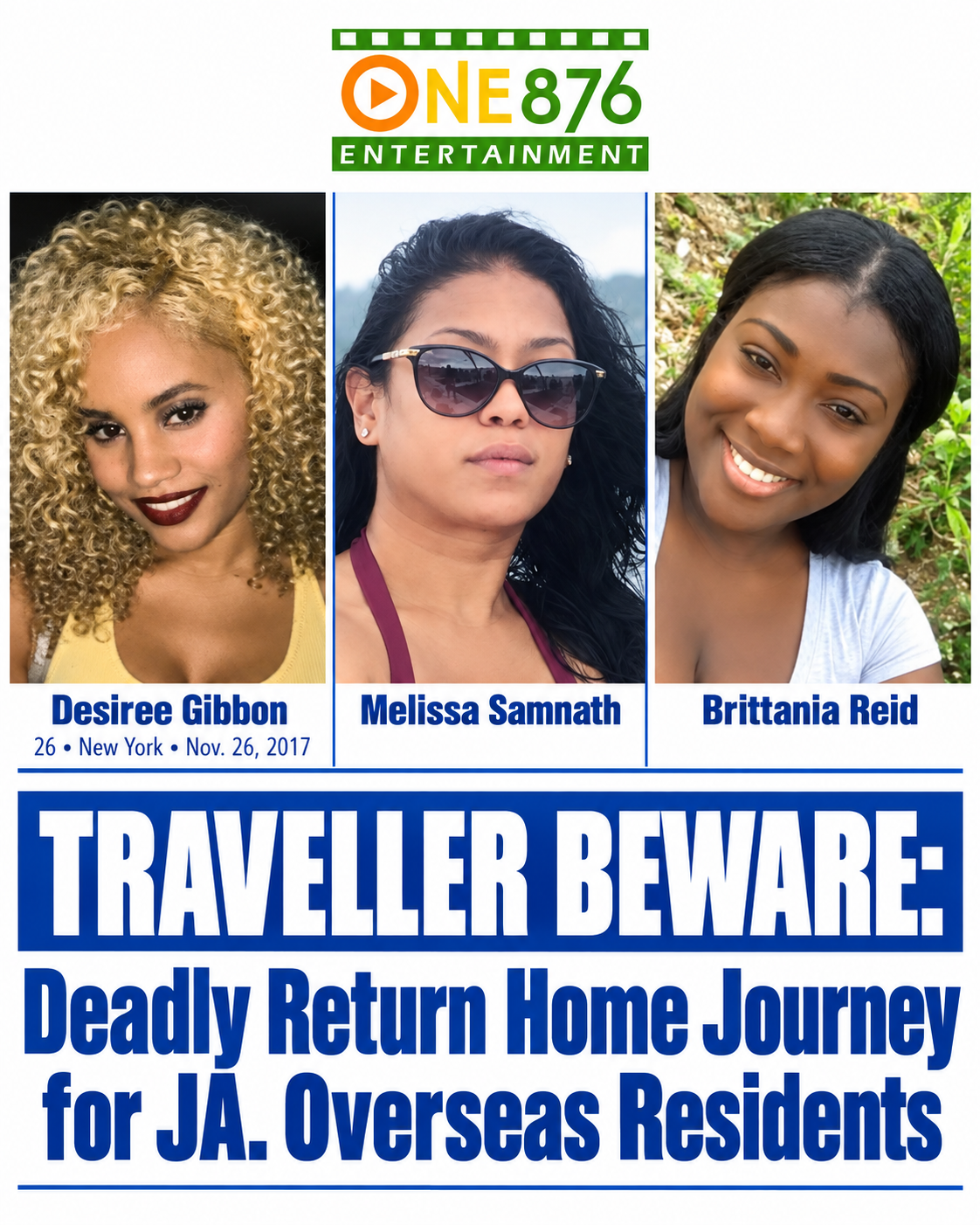
The reported killing of 30-year-old US resident Brittania Reid, known as “Britney,” at her father’s wake in Fern Grove, Ocho Rios, adds another painful case to that conversation. According to the supplied account, a lone gunman approached Reid in the yard at approximately 3 a.m. on Saturday and shot her before fleeing. The circumstances and motive remain unclear.
Other killings have left families questioning the safety of relatives who visit or resettle in Jamaica. However, the cases involve different circumstances, and the available reporting does not establish that all were targeted because of their overseas connections.
In January 2025, retired nurse Luris Murray, 72, was found dead at her home in Pyramid Heights, Ocho Rios. Murray had returned after working in the United States. Reporting citing police described a suspected home invasion involving robbery and sexual assault; two vehicles taken from her property were subsequently recovered. caribbeannationalweekly.com
Five months later, returning resident Simon Blanchard was stabbed to death outside his gate in Retreat, Trelawny. Initial reporting identified him as 60. Police subsequently announced a murder charge against Gary Ferguson in connection with the killing. A charge is an allegation, not a conviction. Jamaica Gleaner
In September 2025, Errol Henry, 77, was found dead, bound and gagged, at his home in St Ann—another killing that prompted concern about the protection of elderly returning residents. RJR News – Jamaican News Online
The fears also draw on older tragedies. Melbourne and Etta Flake, aged 81 and 70, were killed at their home in Retreat, St Thomas, in January 2018. Their case should be distinguished from the more recent incidents. Fabian Skervin subsequently received two life sentences for their murders in 2021. Jamaica Observer
Recent deaths involving women with US connections have raised a related concern: alleged violence within intimate relationships.
Stacy Ann Smith, a 34-year-old woman who worked in the Cayman Islands and returned to Jamaica on January 29, 2012, was murdered and found buried in a shallow grave at the back of a house she shared with her sister in Portsmouth, St. Catherine
In June 2026, Kadian “Kadi” Bradshaw, 33, of Tampa, Florida, was killed in Bulls Bay, Hanover. Reporting indicated that she had relocated to Jamaica with her spouse the previous October. Aldean Jermaine Blake was charged with murder and immigration offences in connection with the case. Jamaica Gleaner
Melissa Kerry Samnath, 35, a Jamaican-American living in New York, died during a birthday visit in April 2026. A post-mortem examination determined that she suffered multiple blunt-force injuries to the head. Her husband, Dane Watson, was subsequently charged with murder. The allegations against both men remain matters for the courts.
In 2017, a 26-year-old woman was killed in Jamaica days before she was set to return home to New York, her family said.
Desiree Gibbon, of Queens, was found with her throat slashed, lying on the side of a road in the town of Anchovy. She was due to come home just days later, her mother and aunt told news reporters at the time.
These cases warrant attention without being treated as evidence of a single criminal pattern. A suspected robbery, an alleged domestic killing and a fatal police encounter raise different questions about prevention, investigation and accountability.
The May 2026 shooting of an American man near Sangster International Airport belongs in that separate police-accountability context. INDECOM investigated, while Transport Minister Daryl Vaz disputed initial reports that the incident occurred inside the airport compound, placing it on a nearby road instead. RJR News – Jamaican News Online
The individual tragedies are clear. Establishing whether returning residents face a disproportionate or increasing risk requires current data on victims, motives and the size of the returning population.
For grieving families, the immediate questions are more personal: who killed their loved one, why, and whether justice will follow.